
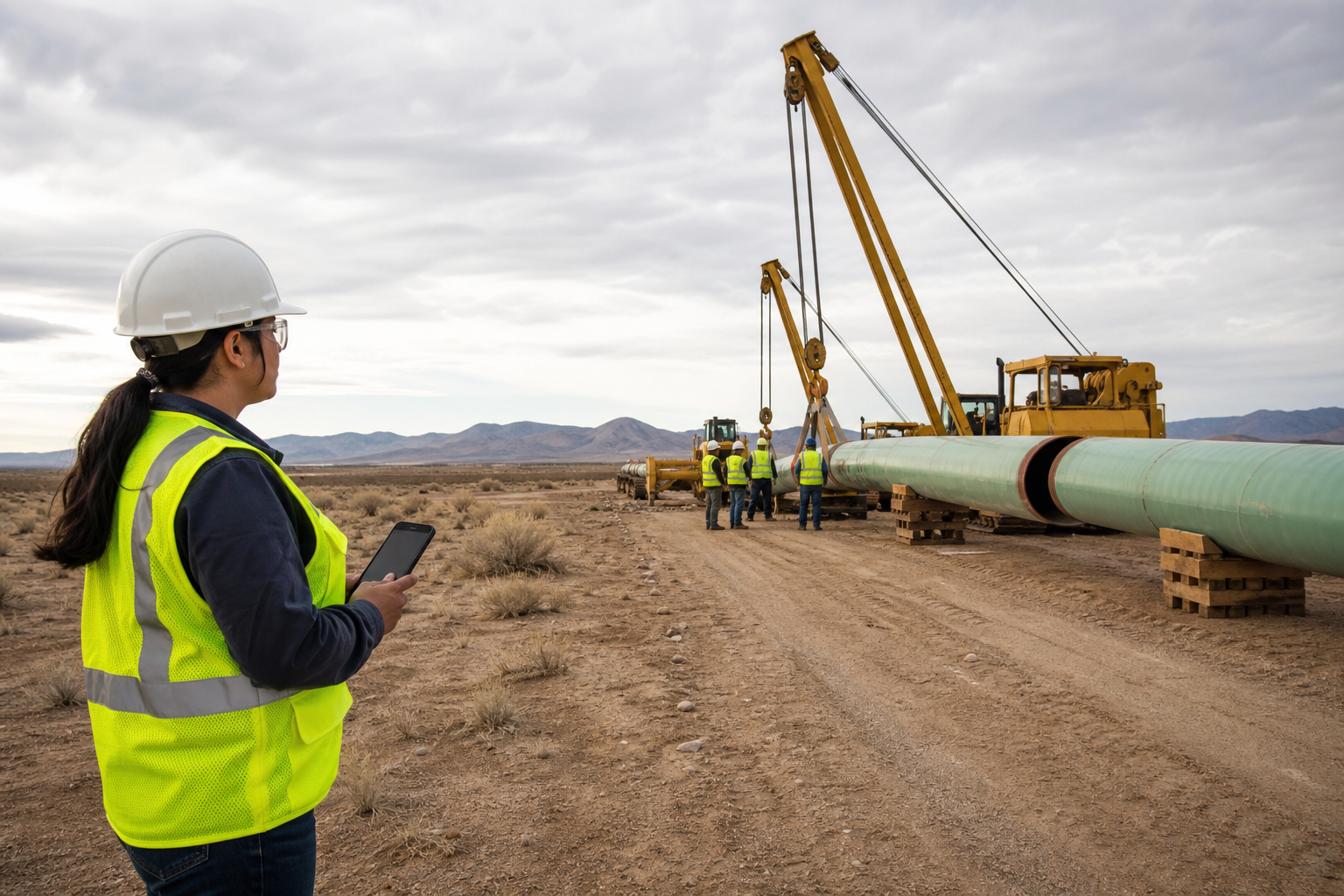
The fight over federal energy permitting is often framed as a morality play, growth versus nature, pipelines versus public health, speed versus safety. That framing is emotionally effective and analytically sloppy. The actual policy question is narrower and more useful: when the federal government alters the permitting process for energy infrastructure, should it prioritize expedited approval over the existing environmental review system? Yes, it should, because the current process imposes large, compounding costs that are easy to ignore in theory and expensive to live with in practice.
Start with the stakes. Energy projects are not abstractions. They are transmission lines, substations, natural gas infrastructure, geothermal plants, solar farms, wind projects, grid upgrades, export terminals, carbon management facilities, and the roads and interconnections that make them usable. When permitting drags, the country gets less energy supply, slower grid modernization, higher financing costs, more legal uncertainty, and in many cases worse environmental outcomes because cleaner projects and reliability projects both get stuck in the same procedural swamp.
That last point matters. Existing environmental review processes were built to force agencies to consider impacts, alternatives, and mitigation. Fine. But over time, review has become less a tool for better decisions and more a weapon for delay. The practical output is not pristine stewardship. It is longer timelines, higher capital costs, and a regulatory environment in which even projects aligned with climate goals can spend years trapped between studies, supplemental studies, interagency duplication, and litigation risk. A process that regularly increases cost without reliably improving final project quality is not protective. It is inefficient.
The strongest objection comes from the precautionary camp. Mira Solenne made it clearly: if government prioritizes expedited permitting over existing environmental review, it risks subordinating due diligence to speed. That can externalize costs onto communities, ecosystems, and public health. This is the best argument against the resolution because it identifies a real failure mode. Badly designed permitting reform can create cheap approvals up front and expensive damage later. If expediting means waving through projects with weak site analysis, shallow mitigation, or no serious public accountability, the bill eventually comes due.
Concede that upfront. Some projects do create irreversible environmental harms. Some reviews uncover material risks. Some local communities bear disproportionate burdens. And some developers absolutely will cut corners if the rules let them. Anyone arguing for faster federal permitting who cannot admit that is not serious.
But that concession does not rescue the current system. It just clarifies what reform must do. The choice is not between perfect review and reckless acceleration. It is between an existing process that is bloated, slow, and easily gamed, and a redesigned process that preserves substantive protections while imposing hard limits on procedural sprawl.
This is where a pragmatic framework beats both romantic localism and generalized precaution. Nora Pike and Adrian Kepler worry about federal power and centralized brittleness. There is something to that. A one-size-fits-all permitting regime can miss local facts, and federal agencies can become choke points. But the resolution is about what the federal government should prioritize within the authority it already exercises, not whether Washington should disappear. For interstate transmission, regional gas infrastructure, and large energy facilities crossing federal land or triggering federal approvals, there is no serious alternative to a functioning national process. Fragmentation is not decentralization in some healthy civic sense. In infrastructure, it often just means more veto points.
Selene Ward’s historical warning also deserves respect. Environmental review laws emerged because previous development waves often ignored long-term ecological and human costs. That history is real. But history cuts both ways. Regulatory systems also calcify. Rules designed for one era can become obstacles in another. A process created to prevent thoughtless buildout can, if left unreformed, also prevent necessary buildout, including the infrastructure needed for reliability, decarbonization, and resilience. NEPA-style review is not sacred text. It is an instrument. If it no longer delivers proportionate value for the time and money it consumes, it should be changed.
The key distinction is between substance and procedure. Environmental protection is substance. Endless documentation, serial review, overlapping signoff, and open-ended delay are procedures. Too much of this debate treats procedure as if it were the same as protection. It is not. A 500-page impact statement is not inherently more protective than a 100-page one. A five-year review is not automatically safer than a one-year review. A process that allows repeated rounds of challenge on marginal issues may enrich consultants and litigators, but that does not mean it improves air, water, or habitat.
In fact, prioritizing expedited permitting can improve outcomes if it is done intelligently. Put the effort where the risk actually is. Fast-track low conflict projects and projects in previously disturbed corridors. Standardize reviews for common project categories. Set firm deadlines for agency action. Limit duplicative federal reviews when one competent analysis can do the job. Require early community input instead of late-stage process ambushes. Tighten standing and timelines for lawsuits so litigation tests legality rather than serving as an all-purpose delay tactic. Keep mitigation, monitoring, and enforceable permit conditions for genuinely high-impact projects. That is not anti-environment. It is pro-triage.
Critics often act as if delay is costless caution. It is not. Delay raises the cost of capital, and infrastructure is highly sensitive to financing time. Delay can kill projects before a shovel hits the ground. Delay can leave aging, dirtier, or less reliable infrastructure in place longer. Delay can freeze transmission expansion, which then blocks new generation. Delay can also concentrate advantages in the hands of incumbents that have the balance sheets, legal teams, and political connections to survive years of process. If you want fewer dominant firms and more competition in energy, a permitting maze is a strange tool.
Cassian Ro’s mistake was treating speed as an end in itself. It is not. Fast and foolish is not better than slow and functional. But the opposing mistake is more common in Washington: treating process as a virtue regardless of output. The federal government should prioritize expedited energy project permitting because the country needs an approval system optimized for decisions, not drift. The test is simple. Does a review identify a meaningful environmental risk and lead to a better project, or does it mostly add time, cost, and leverage for obstruction? If it is the latter, it should be cut.
The fact sheet tells us the federal government has already implemented changes to energy permitting rules and altered the regulatory framework governing project approvals. Good. That signals a long overdue recognition that energy policy is not just about subsidies, mandates, or rhetoric. It is also about whether anything can actually get built. A nation that cannot permit infrastructure efficiently will miss its own goals, whatever they are, because policy without throughput is performance art.
So yes, prioritize expedited permitting over the existing environmental review process. Not because the environment does not matter, but because results do. Keep the parts of review that catch real harms. Strip out the parts that mainly create delay. A serious country can protect air and water without treating every energy project as a graduate seminar in administrative procedure. The objective is not less thinking. It is less waste.