
The statute of limitations governs what the state may prosecute. It does not govern what a person may say, what a newsroom may investigate, or what citizens may know about a public figure. That distinction is the whole case.
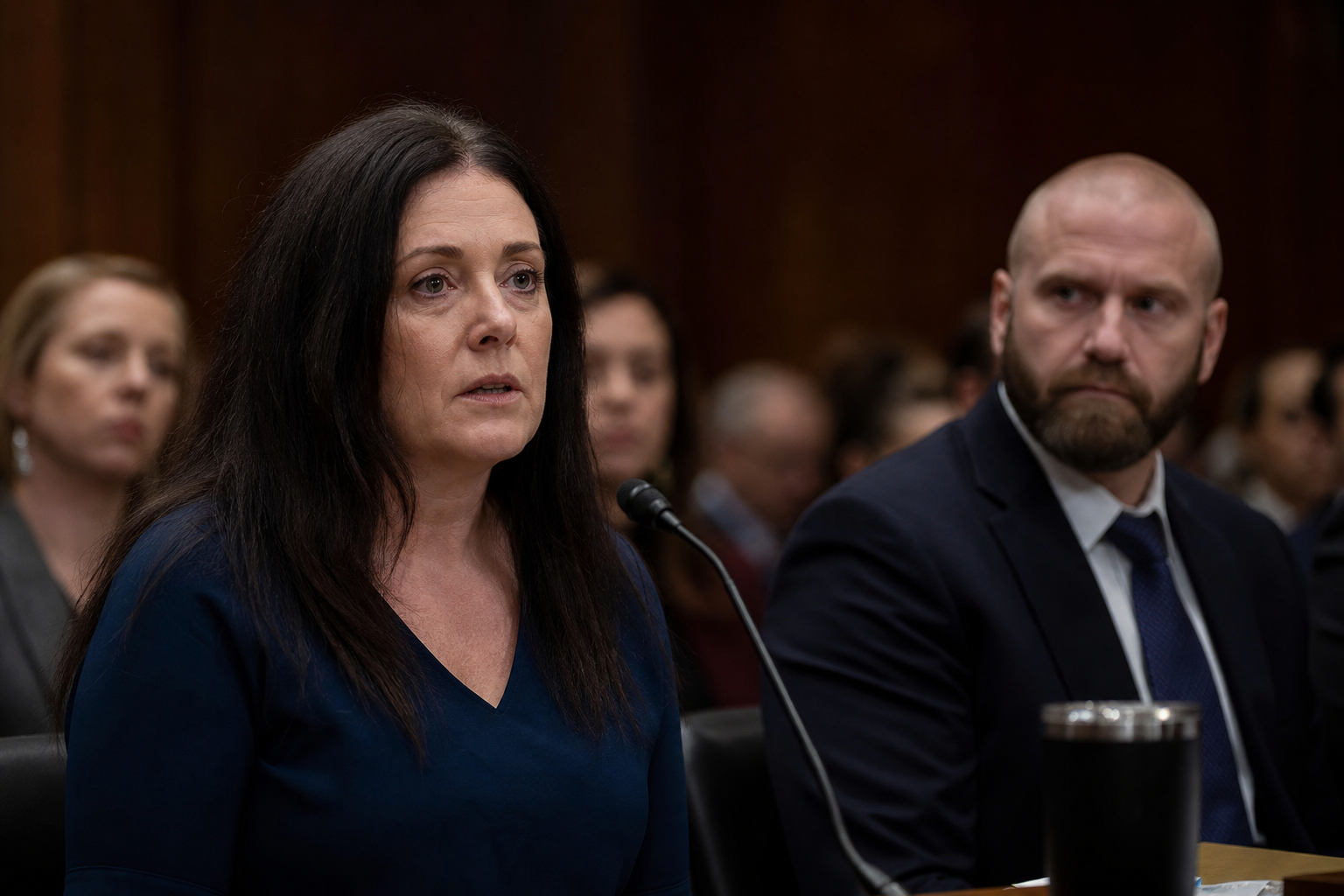
Jenny Racicot appeared in a CNN interview and alleged that Graham Platner sexually assaulted her. She said she tried to forget the incident for many years. The interview was broadcast. The resolution asks whether public figures accused of sexual assault should be subject to media reporting regardless of the statute of limitations. Yes, they should, because a legal deadline on state punishment is not a veto on speech, reporting, or private judgment.
The stakes should be stated plainly. If the answer is no, then the passage of time becomes a kind of reputational amnesty for people with public power. Not innocence, not exoneration, not a finding after adversarial testing, just silence purchased by delay. That is too much power to hand either the legal system or the accused. A statute of limitations is a limit on coercive state action. It should not become a tool for information control.
The strongest objection deserves respect. Opponents argued that old allegations are hard to test. Memories fade. Evidence decays. The accused may have no realistic chance to disprove a claim in court, especially when the law no longer permits adjudication. Media reporting, they warn, can become punishment without due process, a trial by rumor carried out through headlines rather than verdicts. That concern is real. Reputational damage is not imaginary, and some coverage is reckless, theatrical, or financially motivated.
Conceding that point makes the better point clearer. The question is not whether every allegation is true. The question is whether the expiration of a criminal or civil deadline should block reporting as such. It should not. Due process is a discipline for the state when it seeks to fine, imprison, or otherwise coerce. Journalism does something different. It gathers claims, seeks corroboration, tests credibility where it can, presents denials where they exist, and gives the public information relevant to judging people who ask for public trust, money, votes, cultural influence, or status.
That is especially true in sexual assault cases. Trauma often scrambles timing, memory, and willingness to disclose. Racicot said she attempted to forget the incident for years. Anyone serious about this subject knows delayed reporting is common, not because the law is irrelevant, but because human beings are not clocks. Shame, fear, career risk, self doubt, family pressure, and simple survival all push disclosure later. A statute of limitations may make sense as a legal compromise around stale evidence. It does not follow that it should erase the social relevance of the allegation.
The opposition in this debate tried to collapse two different domains into one. One domain is adjudication, where the state acts and therefore must be tightly constrained. The other is public knowledge, where free people sort through contested information all the time. We do not ban reporting on fraud allegations that never ripen into charges. We do not forbid coverage of corruption claims because prosecutors decline a case. We do not tell voters they may not hear about behavior that falls outside a filing deadline. Why should sexual assault accusations against public figures receive a special hush order from the calendar?
Some argued that unrestricted reporting destabilizes institutions and creates a permanent cloud of accusation without resolution. But that argument quietly assumes institutions own the public narrative and that unresolved information is itself intolerable. It is not. Adult citizens routinely evaluate incomplete facts. We do it when we hire, vote, invest, donate, and decide whom to trust. The remedy for uncertainty is not censorship. It is better reporting, more context, clearer standards, and a refusal to pretend that legal nonaction equals factual innocence.
This is where the public figure part matters. The resolution is not about forcing every private person into national exposure. Public figures benefit from attention, platform, and asymmetry. They can shape narratives, command audiences, hire counsel, and often outlast quieter accusers. When an allegation bears on their character and conduct, the public has a legitimate interest in hearing it, even if the courthouse door is closed. The media should not become an accessory to time-laundered secrecy.
Still, support for reporting is not support for sloppiness. Newsrooms should not treat an allegation as a conviction. They should report what is known, what is alleged, what is denied, and what cannot be verified. They should explain the statute of limitations so readers understand why no prosecution may be possible. They should avoid melodrama, note the age of the claim, and seek supporting details before publication. None of those guardrails require silence. They require journalism.
A useful test is simple. If a public figure is accused of serious misconduct, and the allegation is newsworthy enough that citizens might reasonably weigh it in deciding whom to trust, then the statute of limitations should not bar coverage. The public can distinguish between a report and a verdict if the press does its job honestly. The alternative is worse. It tells accusers that if trauma, fear, or power imbalance kept them quiet past a legal deadline, their speech becomes publicly inadmissible. It tells audiences that the state has already decided what they may know. It tells public figures that enough time can sterilize scrutiny.
That is backward. The law may decide when the government must stop. It does not decide when a person may speak. It does not decide when CNN, or any other outlet, may interview Jenny Racicot about what she says happened with Graham Platner. And it does not decide what informed citizens may consider when forming judgments about people who live by public attention.
The cleanest line from the debate is this one: statutes of limitations are shields against stale prosecutions, not muzzles for late testimony. Once that line is held, the rest follows. We can insist on fairness without granting silence. We can defend the accused from legal punishment without pretending the public must remain blind. We can reject media hysteria without making the calendar a censor.
Public figures accused of sexual assault should be subject to media reporting regardless of statute of limitations, not because the press is a court, but because it is not. A free society does not let expired legal deadlines decide what truths, claims, warnings, and memories may enter public view. The state gets to punish less as time passes. It does not get to make us know less.